How to Maintain High Hygiene Standards in Medical Clinics
IS
Understanding the Importance of Hygiene in Medical Clinics
Maintaining high hygiene standards in medical clinics is crucial for ensuring the safety and well-being of patients, staff, and visitors. A clean environment minimizes the risk of infections and cross-contamination, which is essential in healthcare settings. Adhering to strict hygiene protocols not only protects health but also enhances the clinic's reputation.
Implementing Effective Cleaning Protocols
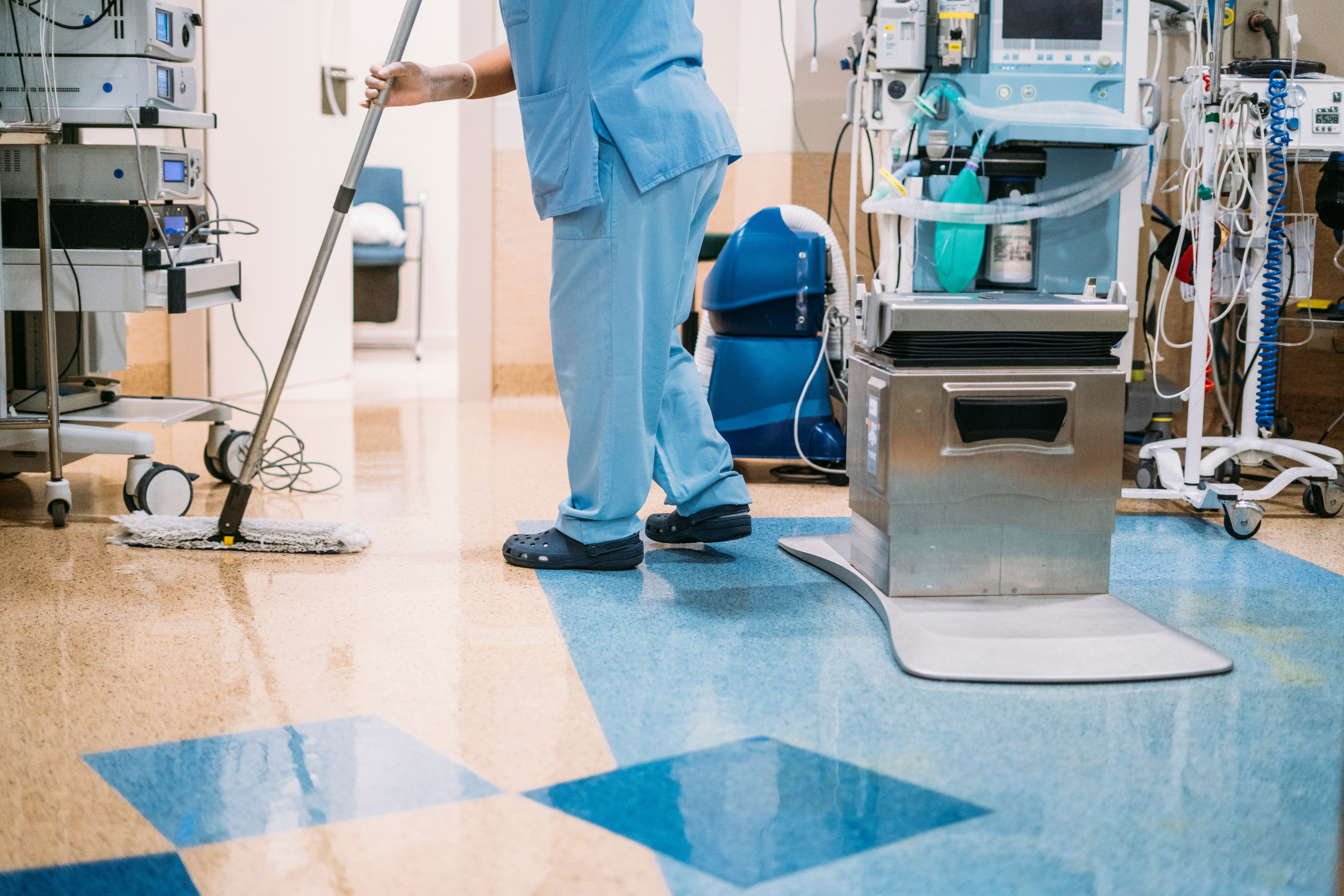
Developing a comprehensive cleaning schedule is the first step in maintaining hygiene. This schedule should cover all areas of the clinic, including waiting rooms, examination rooms, and restrooms. Regularly updated checklists ensure that no area is overlooked. It's important to use hospital-grade disinfectants and follow manufacturer instructions for effective cleaning.
Staff training is vital in this process. Ensure that all employees are well-versed in the correct cleaning techniques and understand the importance of maintaining hygiene. Regular training sessions can help keep everyone informed about the latest guidelines and cleaning products.
Proper Waste Management
Effective waste management is another critical aspect of maintaining hygiene in medical clinics. Medical waste, such as used needles, bandages, and gloves, must be disposed of properly to prevent contamination. Designate specific bins for hazardous and non-hazardous waste and ensure they are clearly labeled.
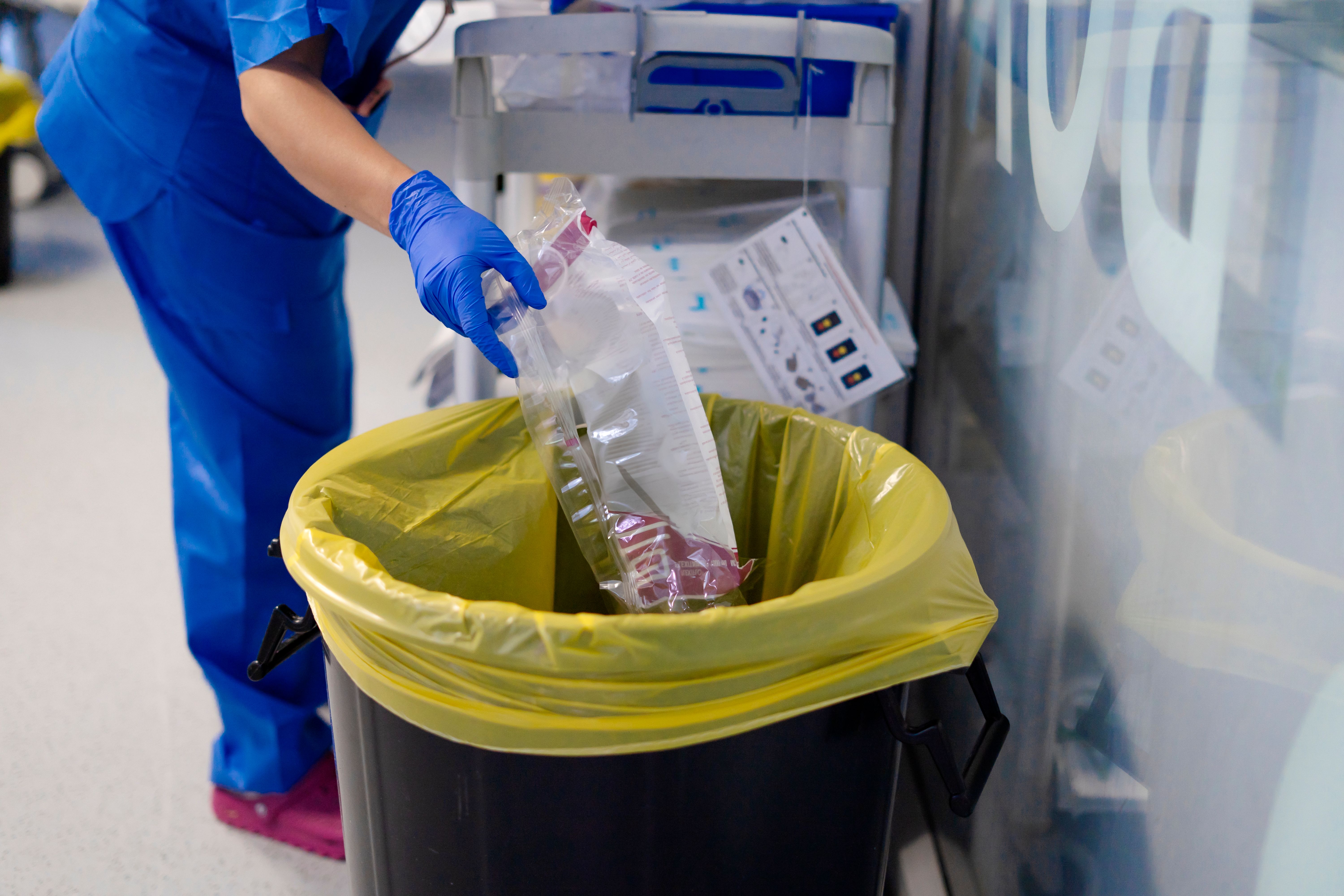
Regular collection and disposal of waste are essential. Partnering with a licensed medical waste disposal service can help manage this process efficiently. Ensure that waste containers are never overfilled and are kept in a secure area away from patients and staff.
Ensuring Hand Hygiene
Hand hygiene is one of the simplest yet most effective ways to prevent the spread of infections. Clinics should provide easy access to hand sanitizers and handwashing stations throughout the facility. Encourage staff and patients to wash their hands frequently, especially before and after patient interactions.
Post clear signage that demonstrates proper handwashing techniques. Regular reminders and incentives can reinforce the importance of hand hygiene among staff members.
Maintaining Equipment and Supplies
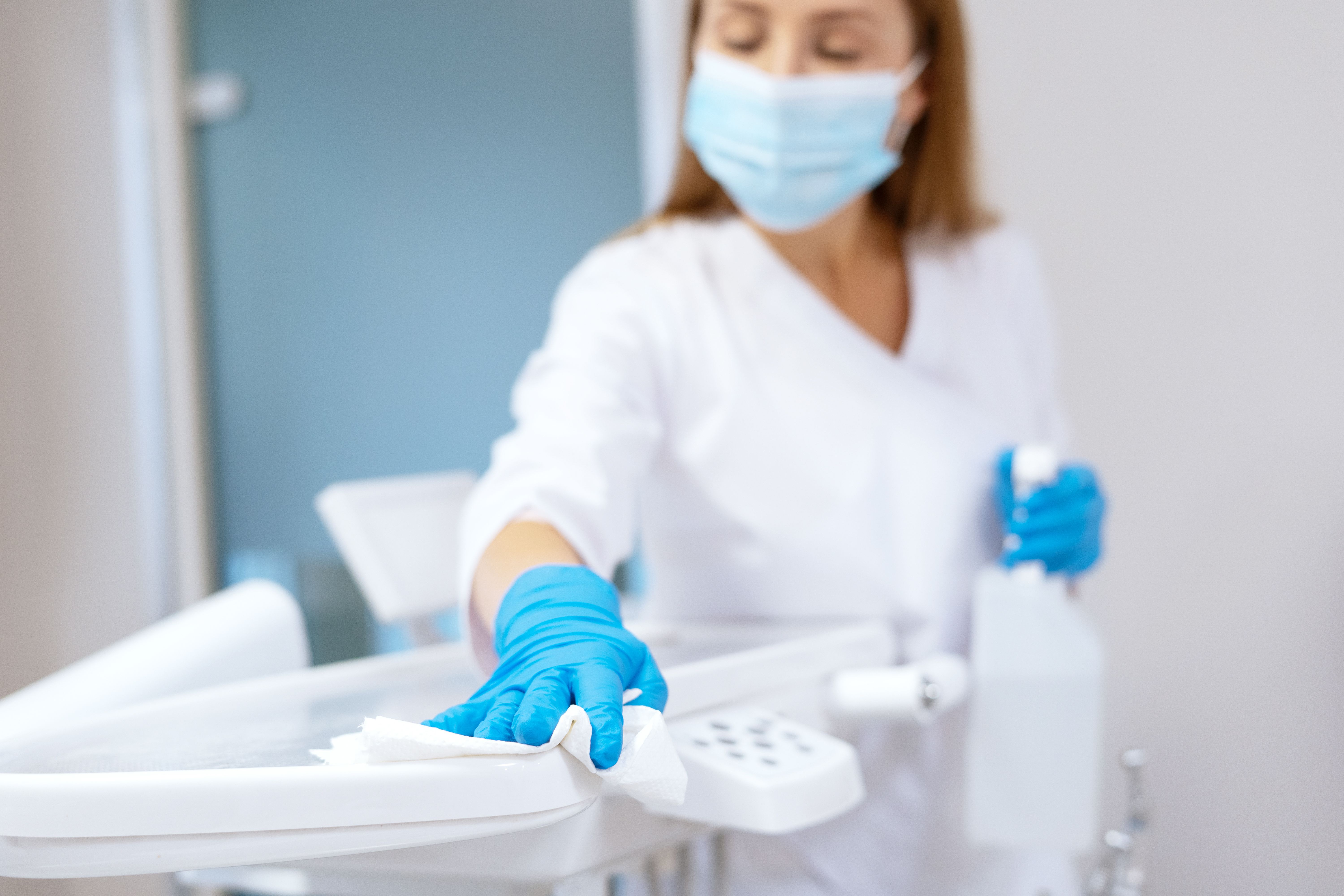
Regular maintenance and cleaning of medical equipment are vital for hygiene. Sterilize instruments after each use and adhere to manufacturer guidelines for equipment maintenance. Keep a log to track sterilization and maintenance schedules.
Ensure that supplies such as gloves, masks, and gowns are readily available and stored in a clean, dry area. Regular inventory checks help prevent shortages and ensure that supplies are within their expiration dates.
Monitoring and Continuous Improvement
Regular audits and inspections can help identify areas for improvement in hygiene practices. Encourage staff to report any issues or concerns related to cleanliness and safety. Use feedback to refine protocols and implement new strategies as needed.
By continuously monitoring and updating hygiene standards, clinics can provide a safe and welcoming environment for everyone. This commitment to cleanliness not only protects health but also fosters trust and confidence among patients.