The Importance of Deep Cleaning for Medical and Clinic Environments
IS
The Role of Deep Cleaning in Healthcare
Deep cleaning in medical and clinic environments is not just a regular cleaning routine; it is a critical component of maintaining a safe and sterile setting for both patients and healthcare professionals. The importance of deep cleaning cannot be overstated, as it helps prevent the spread of infections and ensures compliance with health regulations.
Preventing Infections
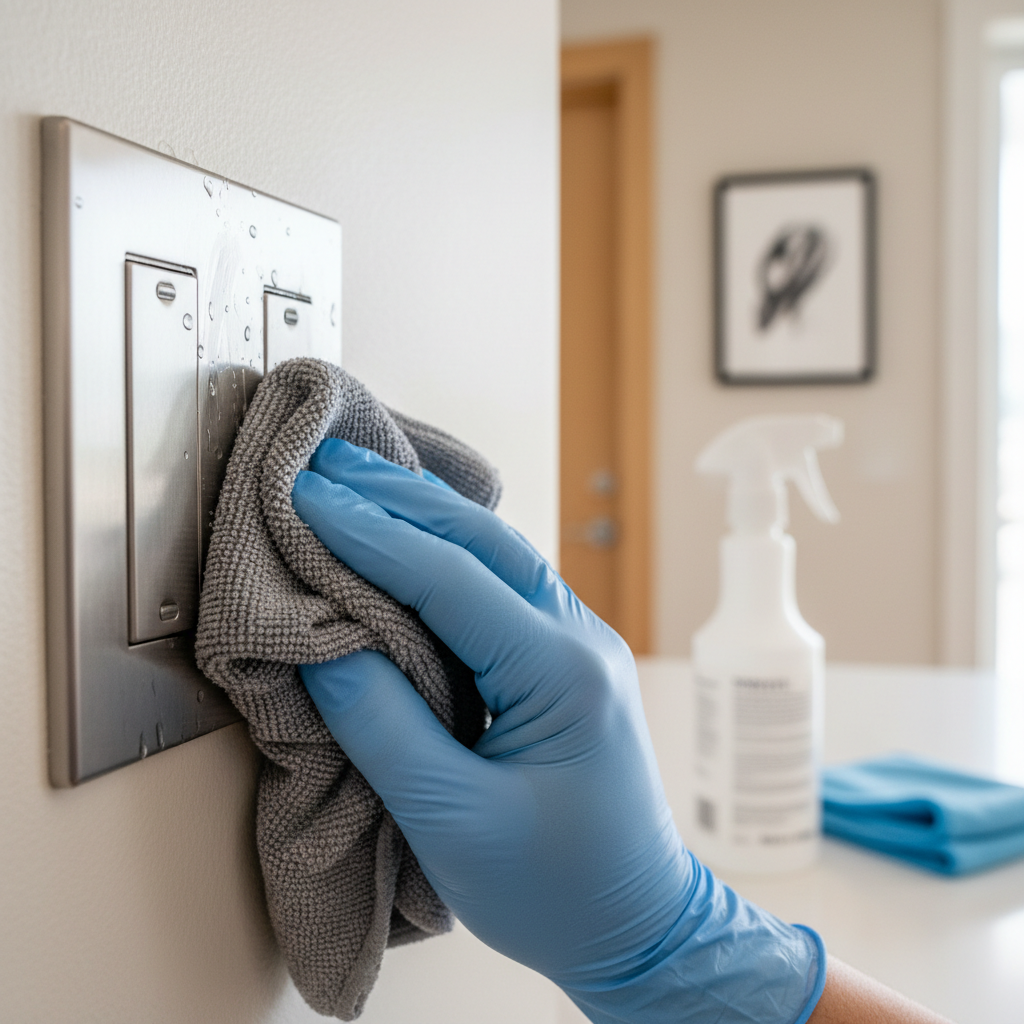
Healthcare-associated infections (HAIs) are a major concern in medical settings. These infections can arise from bacteria, viruses, or other pathogens that thrive in unclean environments. Deep cleaning helps in significantly reducing the presence of these harmful microorganisms by thoroughly disinfecting surfaces that regular cleaning might miss. This process is crucial for patient safety and can lead to better health outcomes.
Implementing a rigorous deep cleaning routine minimizes the risk of cross-contamination. By targeting high-touch areas such as doorknobs, medical equipment, and countertops, healthcare facilities can create a more sterile environment, safeguarding the health of everyone who enters the premises.
Compliance with Health Standards
Healthcare facilities are subject to stringent regulations and standards set by health authorities. Deep cleaning is essential for ensuring these standards are met. Regular inspections and audits require that all areas, including waiting rooms, examination rooms, and surgical suites, adhere to strict cleanliness protocols.
Failure to comply with these regulations can result in severe penalties, including fines and the potential closure of facilities. Therefore, maintaining a comprehensive deep cleaning schedule is not only about health but also about operational viability.
Enhancing Patient Confidence
A clean and hygienic environment is vital for instilling confidence in patients. When patients walk into a clinic or hospital, they expect a certain level of cleanliness that assures them of their safety. Deep cleaning helps create an atmosphere of trust, making patients more comfortable and likely to return for future care.
Moreover, a well-maintained facility reflects the professionalism and dedication of the healthcare providers. It shows that the staff values patient welfare and is committed to providing the highest standards of care.
Steps for Effective Deep Cleaning
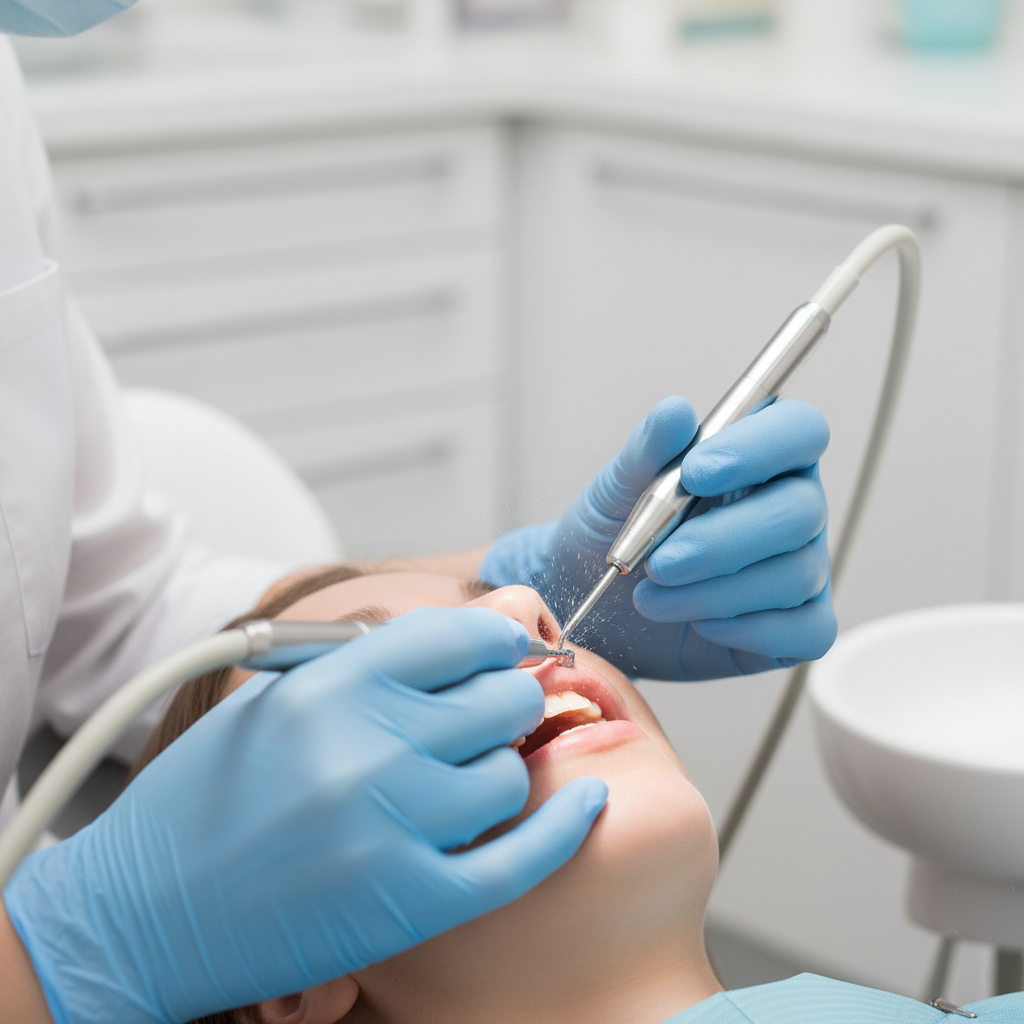
Implementing an effective deep cleaning strategy involves several key steps:
- Assessment: Identify areas that require more attention and prioritize them accordingly.
- Use of Proper Disinfectants: Ensure that cleaning agents are suitable for healthcare settings and capable of eliminating pathogens.
- Regular Training: Staff should be regularly trained on the latest cleaning protocols to ensure consistency and thoroughness.
By following these steps, healthcare facilities can maintain a high level of hygiene and safety, benefiting both staff and patients alike.