The Importance of Hygiene in Medical and Clinic Cleaning
IS
Understanding the Critical Role of Hygiene in Healthcare
Hygiene plays a crucial role in medical and clinic environments, where maintaining a clean and sterile setting is vital for patient safety and infection control. Hospitals and clinics face unique challenges due to the nature of their operations, which involve frequent contact with pathogens. As such, stringent hygiene standards are not just recommended but essential to prevent the spread of infections.
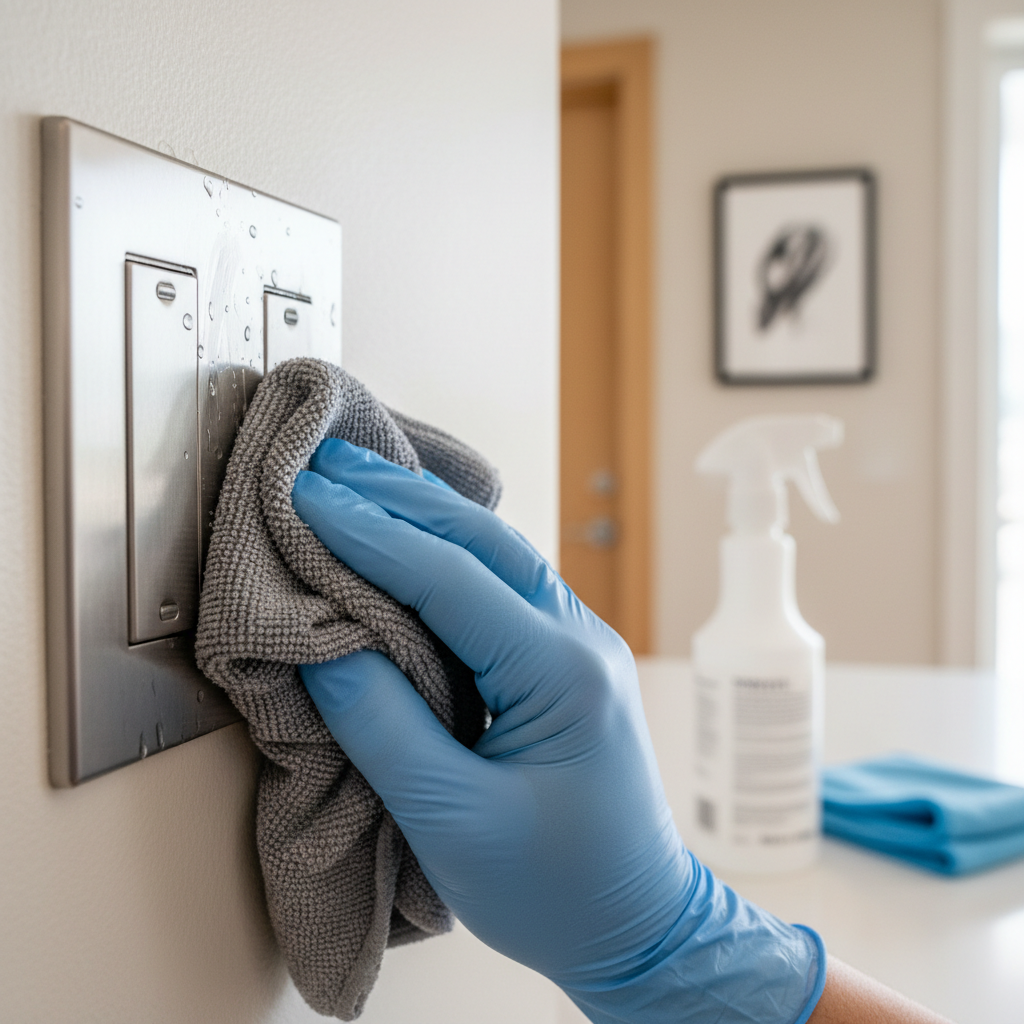
The importance of hygiene in these settings cannot be overstated. Contaminated surfaces and equipment can quickly become breeding grounds for harmful microorganisms. Therefore, implementing effective cleaning protocols is a fundamental part of healthcare operations. These protocols help ensure the well-being of both patients and medical staff.
The Impact of Poor Hygiene Practices
Failure to maintain proper hygiene can have dire consequences. It can lead to healthcare-associated infections (HAIs), which affect millions of patients annually and result in significant morbidity and mortality. Such infections can extend hospital stays, increase medical costs, and place a heavy burden on healthcare systems.
Moreover, poor hygiene practices can damage the reputation of healthcare facilities. Patients and their families expect a high standard of cleanliness, and failing to meet these expectations can lead to a loss of trust and confidence. Consistent, thorough cleaning practices are key to upholding the integrity and reputation of medical institutions.
Effective Strategies for Maintaining Hygiene
There are several strategies that healthcare facilities can implement to maintain high hygiene standards:
- Regular Training: Ensuring that staff are well-trained in the latest cleaning protocols is essential. Regular training sessions help keep the staff updated on best practices and new sanitation technologies.
- Use of Proper Cleaning Agents: Selecting the right disinfectants and cleaning products is crucial in effectively eliminating pathogens.
- Routine Audits: Conducting regular audits to assess the cleanliness of facilities can help identify areas for improvement and ensure compliance with hygiene standards.
Advanced Cleaning Technologies
Advancements in cleaning technology have introduced new tools and methods that can enhance hygiene practices in medical settings. For instance, ultraviolet (UV) light disinfection and electrostatic sprayers are gaining popularity due to their effectiveness in reducing the microbial load on surfaces.
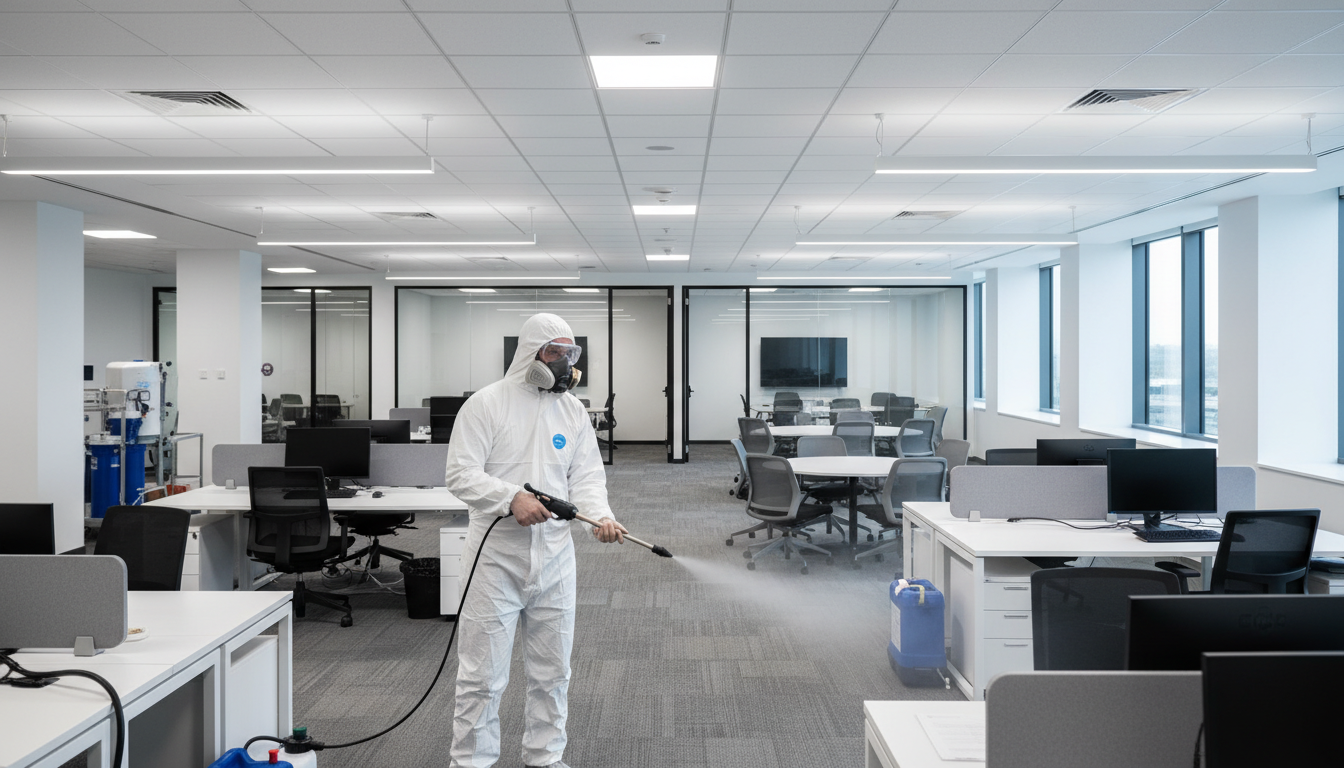
Implementing these advanced technologies can significantly improve the efficacy of cleaning protocols. They provide an added layer of protection against potential outbreaks, ensuring a safer environment for everyone in the facility.
The Role of Everyone in Maintaining Hygiene
While cleaning staff play a vital role in maintaining hygiene, it is a collective responsibility. Medical personnel, patients, and visitors all contribute to the overall cleanliness of the environment. Encouraging good hygiene practices, such as regular handwashing and proper disposal of waste, is essential for comprehensive infection control.
By fostering a culture of cleanliness and vigilance, healthcare facilities can mitigate the risks associated with poor hygiene. This culture not only protects patients but also creates a safer and more pleasant environment for staff and visitors alike.