Top Tips for Maintaining Hygiene in Medical and Clinic Environments
IS
The Importance of Hygiene in Medical Settings
Maintaining hygiene in medical and clinic environments is crucial for ensuring patient safety and preventing infections. These settings are prone to the spread of germs and bacteria, making stringent hygiene practices essential. This not only protects patients but also healthcare professionals who work tirelessly in these environments.
Establishing a Comprehensive Cleaning Protocol
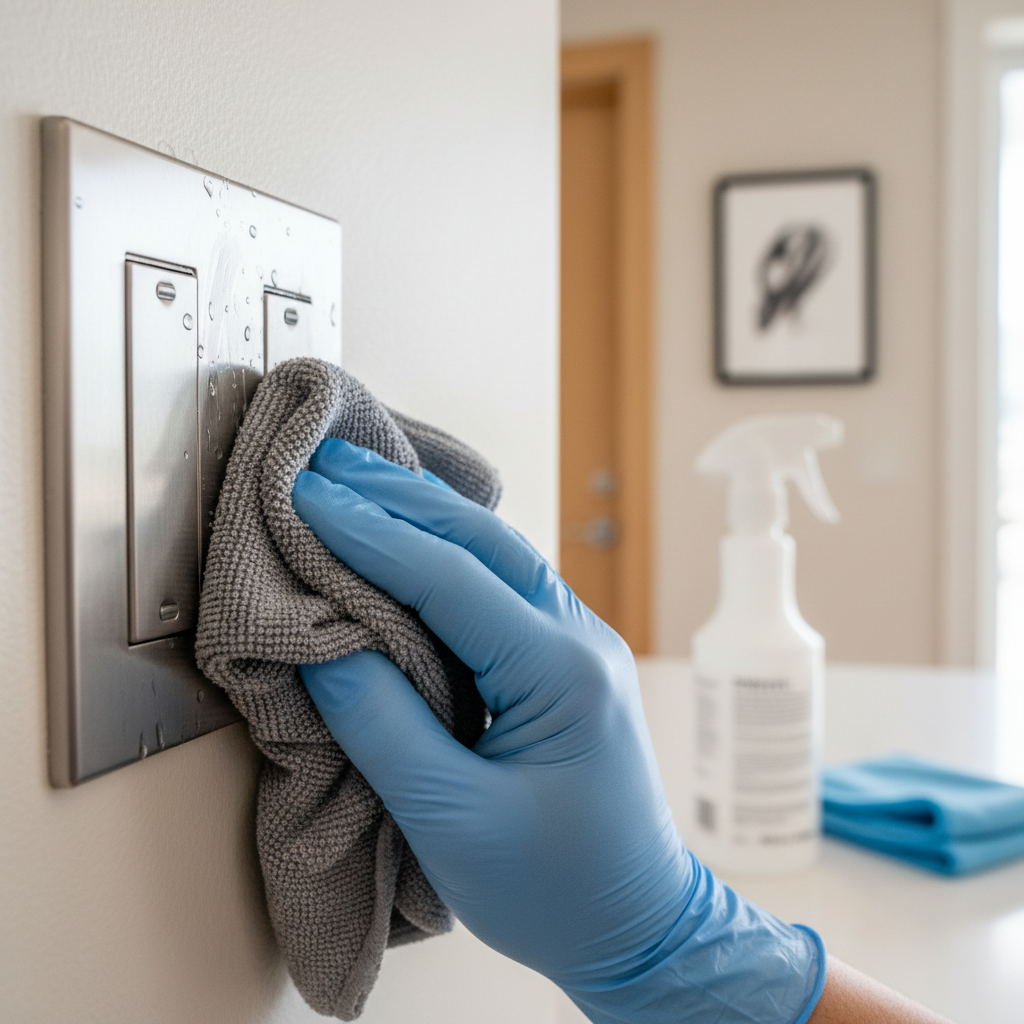
A thorough cleaning protocol is the backbone of maintaining hygiene in medical settings. It's vital to develop a routine that includes daily, weekly, and monthly tasks. Regular cleaning and disinfection of high-touch surfaces like doorknobs, bed rails, and medical equipment are imperative to minimize contamination.
Using appropriate cleaning agents is equally important. Ensure that the disinfectants used are effective against a broad spectrum of pathogens. It's advisable to follow the manufacturer's instructions for dilution and contact time to ensure effectiveness.
Hand Hygiene Practices
Hand hygiene is one of the most effective measures to prevent the spread of infections. Healthcare professionals should wash their hands with soap and water for at least 20 seconds or use an alcohol-based hand sanitizer when hands are not visibly dirty. It's important to perform hand hygiene before and after patient contact, after touching potentially contaminated surfaces, and before any aseptic task.
Personal Protective Equipment (PPE)
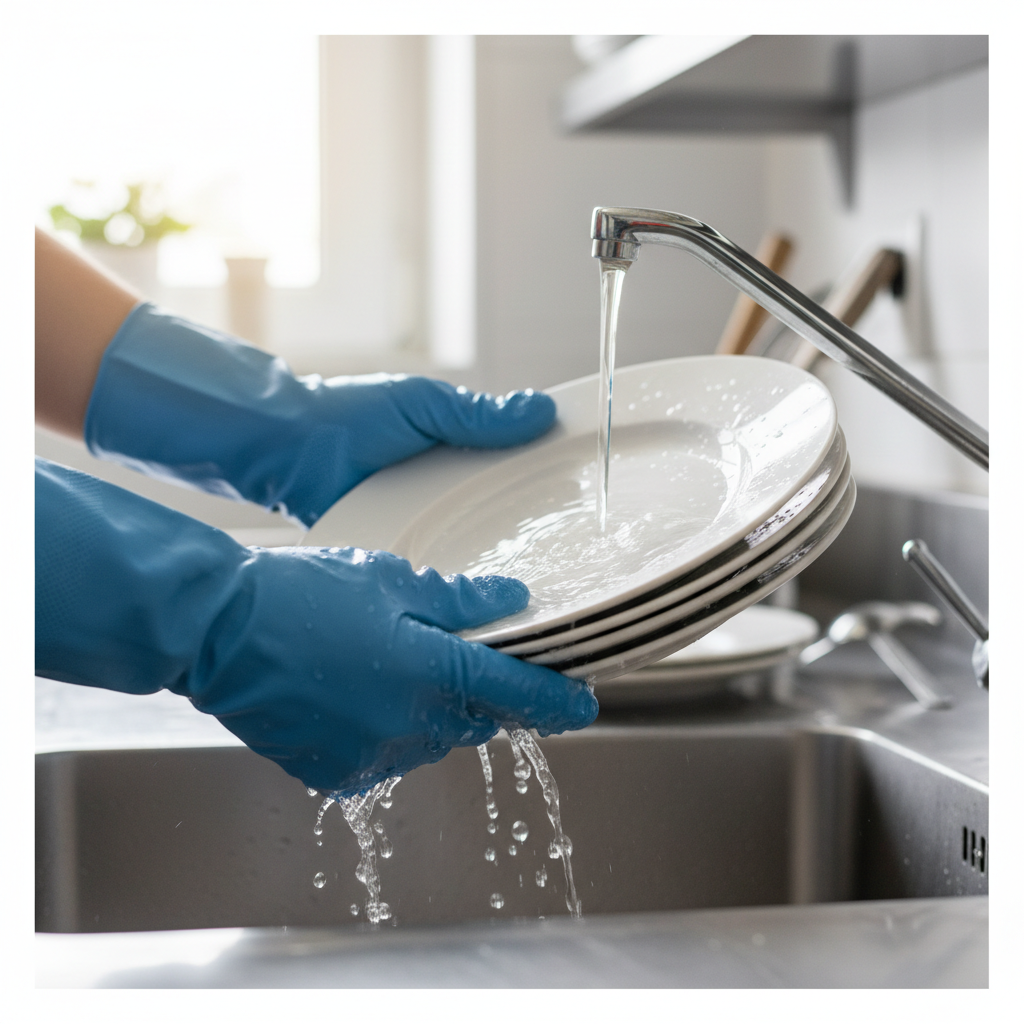
Using Personal Protective Equipment (PPE) such as gloves, masks, and gowns is crucial in preventing the transmission of infections. Ensure that all staff are trained in the proper use and disposal of PPE. Regular audits can help in identifying areas for improvement and ensuring compliance with established protocols.
It's also important to regularly evaluate the quality of PPE and ensure an adequate supply to avoid shortages, especially during times of increased demand.
Waste Management
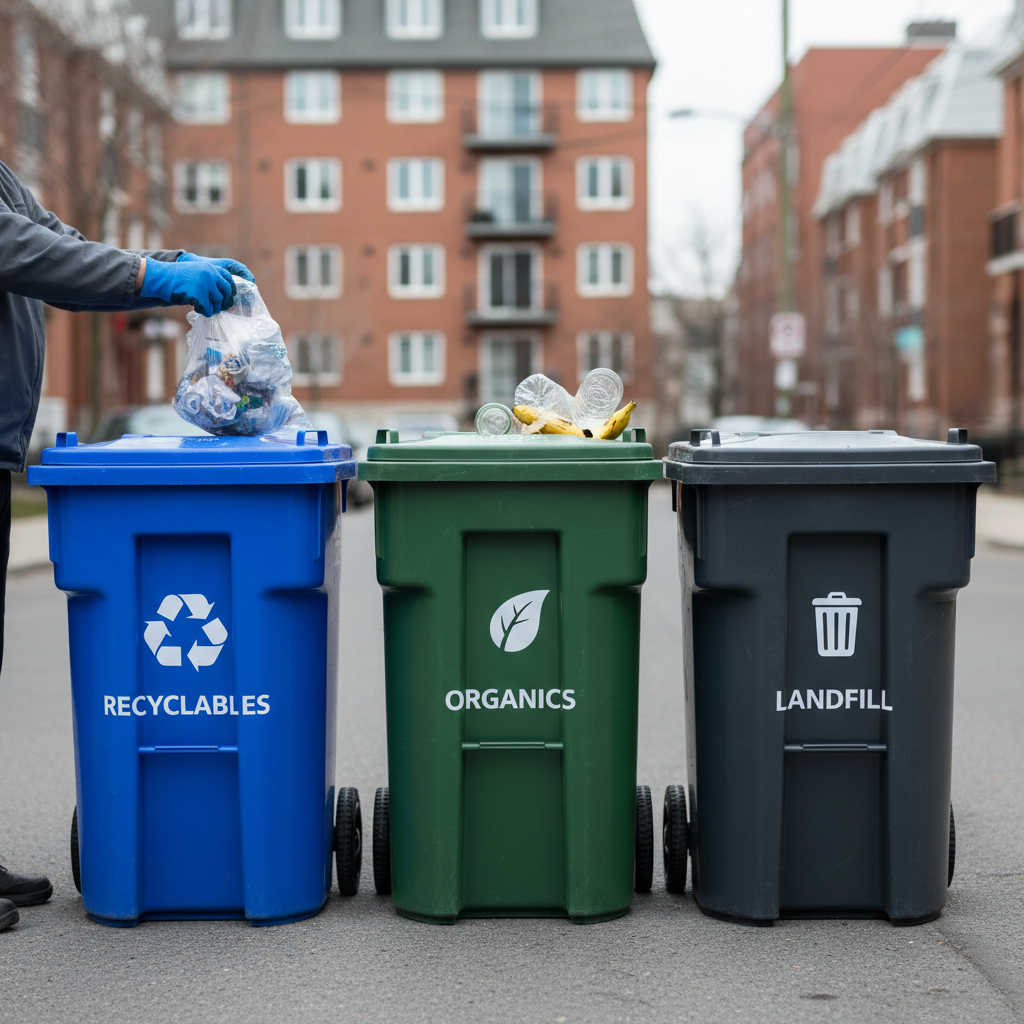
Proper waste management is a key component of maintaining hygiene in medical settings. Segregate waste into categories like general waste, infectious waste, and sharps. Use clearly labeled containers and ensure that waste is disposed of in compliance with local regulations.
Staff Training and Education
Continuous education and training of staff are vital to maintaining high hygiene standards. Regular workshops and training sessions can keep healthcare professionals updated on the latest hygiene practices and protocols. Encourage a culture of safety where staff feel empowered to speak up about hygiene concerns.
Implementing these top tips can significantly enhance the hygiene standards in medical and clinic environments, ensuring a safer space for both patients and healthcare workers.